
Signs & Symptoms of Colorectal Cancer
Because you can’t fight what you don’t see coming.
Most people don’t like talking about this stuff. We get it. It’s not fun. It can feel embarrassing. But when something’s going on with your body—especially your gut—it’s worth paying attention to.
Colorectal cancer can show up quietly at first. You might not feel anything at all. Or you might notice changes that feel small or easy to ignore. But small doesn’t mean unimportant. And if something feels off, it’s okay to speak up.
Talking about poop isn’t gross or oversharing – it can be lifesaving. Remember, this isn’t TMI, it’s lifesaving.
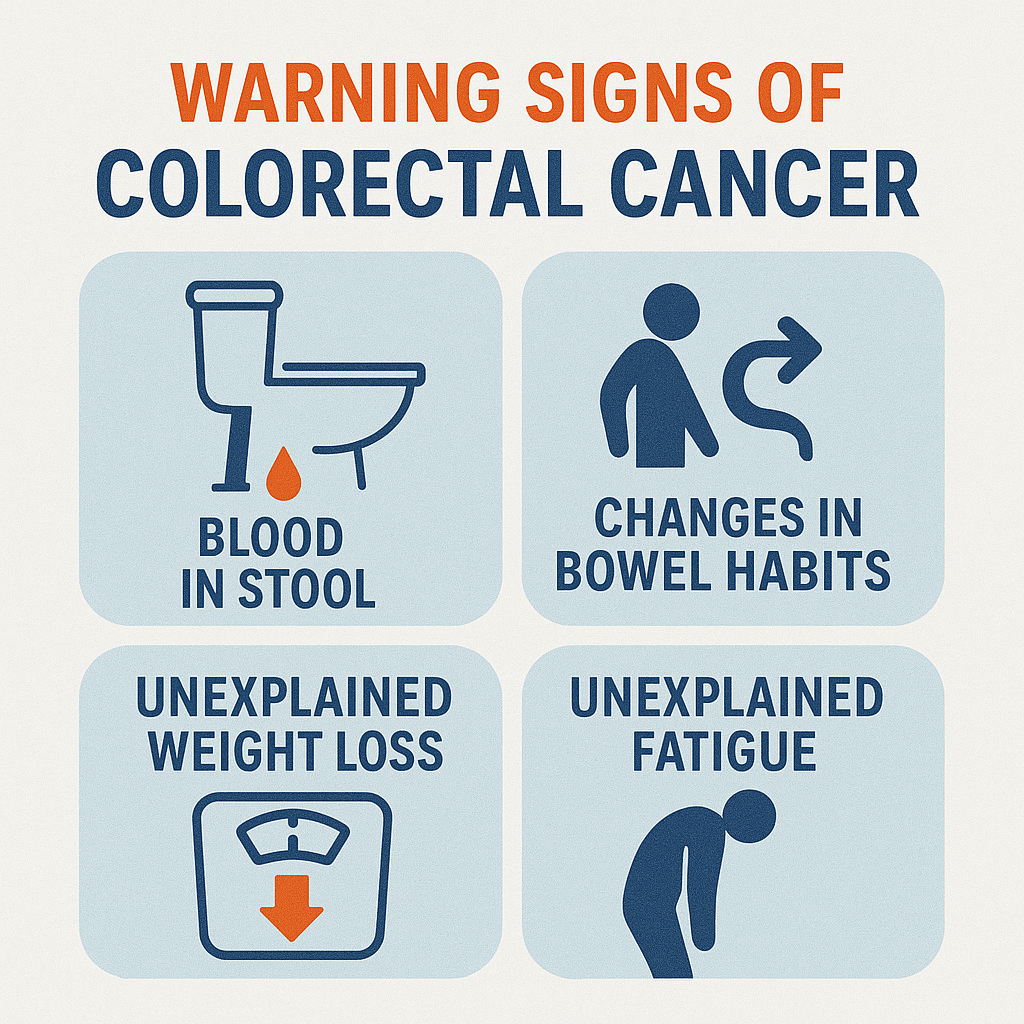
Know the Signs
What to Watch For 👀
Here are some of the most common symptoms of colorectal cancer. This list isn’t meant to scare you—it’s here to help you know what to notice. Because knowing what to look for means you’re already ahead.
You might have just one of these. Or a few. Or maybe none at all. That’s why it’s so important to check in with yourself—and your doctor—when something feels off.
Digestive Changes
-
Blood in your poop, whether it’s bright red or very dark
-
A change in your bowel habits, like diarrhea or constipation that doesn’t go away
-
Poop that looks thinner than usual
-
Cramps, bloating, or pain that sticks around
-
Feeling like you still have to go, even after you just did
Whole-Body Symptoms
-
Feeling tired or weak without a clear reason
-
Losing weight without trying
-
Low iron levels (anemia), especially if you’re also feeling short of breath or dizzy
Know the Signs
Educate yourself on the symptoms of colorectal cancer. Stay in tune with your body and watch for any of the warning signs discussed above.
Talk to Your Doctor
Don’t hesitate or put it off! Even if you’re young, you have to be your own advocate. Schedule that appointment, and be direct about what’s going on.
Share to Save a Life
Spread the word about these signs and the importance of early detection. Talk about it with your family. Share this information on social media.